-
Election as Member of Academia Europaea
Gabriela Schaepman-Strub was elected a member of the Academia Europaea in 2026. Academia Europaea brings together outstanding scholars and scientists from across Europe and beyond. Her election to the Earth & Cosmic Sciences and Ecology section recognises her scientific achievements at the international level.
-
ERC Starting Grant Call 2026 – Expression of Interest and Application Process
Detailed information on the upcoming ERC Starting Grant 2026 call and the internal expression of interest process is now available.
-
World Biodiversity Forum 2026
The programme is now online.
-
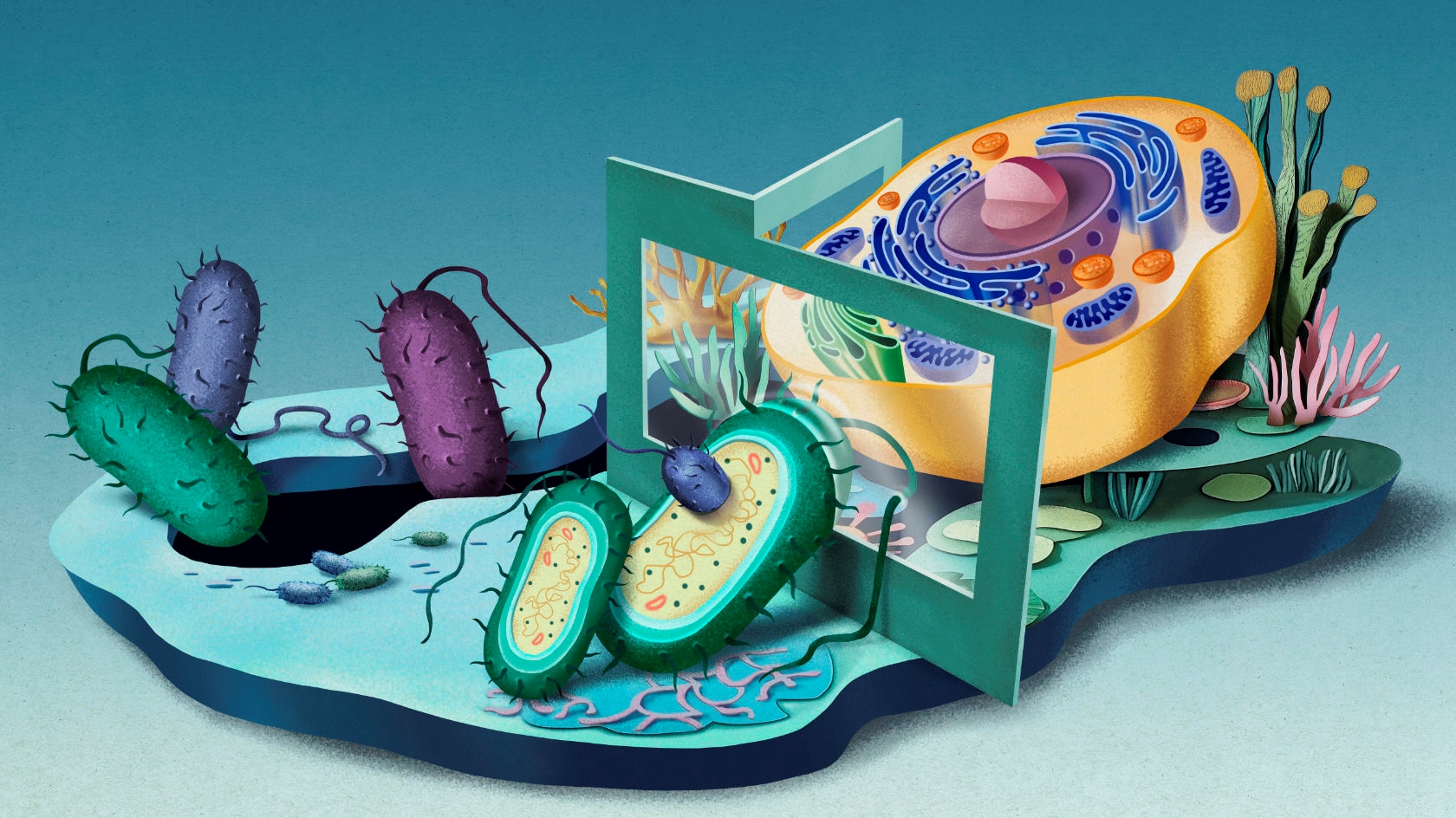
Prestigious PNAS Cozzarelli Prize 2025 awarded to Jordi Bascompte
The U.S. National Academy of Sciences has honored Jordi Bascompte with the 2025 Cozzarelli Prize for outstanding research published in PNAS. His work on the emergence of eukaryotes was selected in the Biological Sciences category. (Illustration: Cornelia Gann)
-
Love Data Week 2026 – Where Is the Data? #3
Arctic biodiversity, large and diverse datasets, and a strong commitment to Open Science: Prof. Dr. Gabriela Schaepman-Strub and Dr. Elena Plekhanova discuss how they work with observational, modelling, and remote sensing data, why they make their data publicly available, and the challenges involved in storing and sharing large datasets.
-
Tackling Global Challenges Together
Artificial intelligence, cell research and plant sciences were at the center of a symposium held last week, highlighting the potential of the strategic partnership between the University of Zurich and Kyoto University. Kentaro Shimizu (pictured above), also took part in the symposium and contributed to the academic exchange.
-
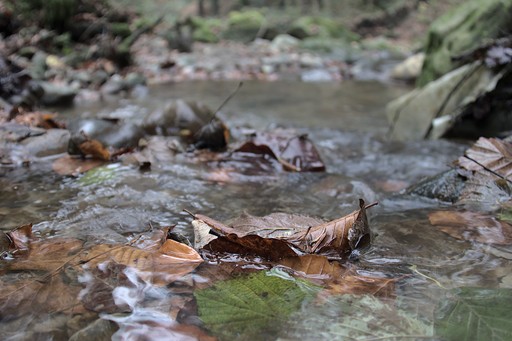
Temporal changes in leaf fall have consequences for amphipods
Aquatic ecosystems are fragile. But just how fragile they are has been revealed in a new study by the Swiss Federal Institute of Aquatic Science and Technology (Eawag) and the University of Zurich. (Photo: Florian Altermatt)
-
A new book on the fascinating world of grasshoppers has been published
Dr. Oliver Hawlitschek of the University of Zurich has edited a new book on grasshoppers together with Prof. Dr. Martin Husemann, Director of the Natural History Museum Karlsruhe. The publication focuses on a group of animals that, despite their enormous global diversity, is often overlooked.
-
An Insight into the Biodiversity Degree Programmes
Understanding, protecting, and researching biodiversity: the video provides an overview of the program’s focus, content, and perspectives.
-
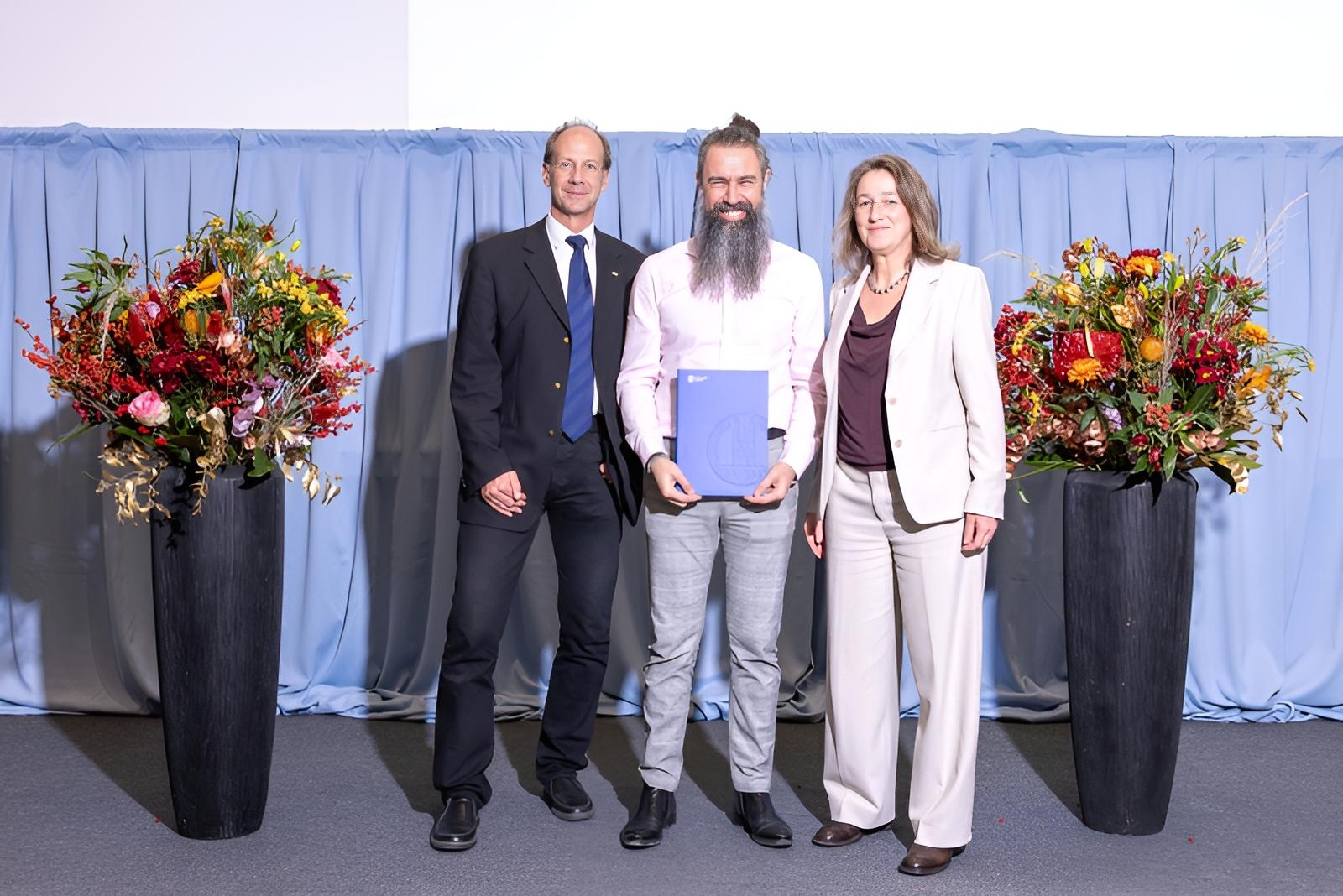
Faculty of Science awards dissertation distinction to Cengiz Akandil
The Faculty of Science has awarded Cengiz Akandil a distinction for his PhD thesis, “Impact of Industrial Human Activity Quantified by Artificial Light at Night on Arctic Ecosystems”. Supervised by Prof. Dr. Gabriela Schaepman-Strub, his work introduces a novel approach to assessing industrial activity in the Arctic using light pollution, enabling to link economic activity with ecological processes.
-
Hydrobiology Limnology Award for Dr. Mara Knüsel
The Hydrobiology Limnology Foundation for Water Research in Switzerland issues an annual award for dissertations and master theses on limnology. This year, UZH and Eawag researcher Dr. Mara Knüsel received the award for her PhD thesis entitled “Opening the Black Box: Biodiversity and Biogeography of Groundwater Amphipods in Switzerland”.
-
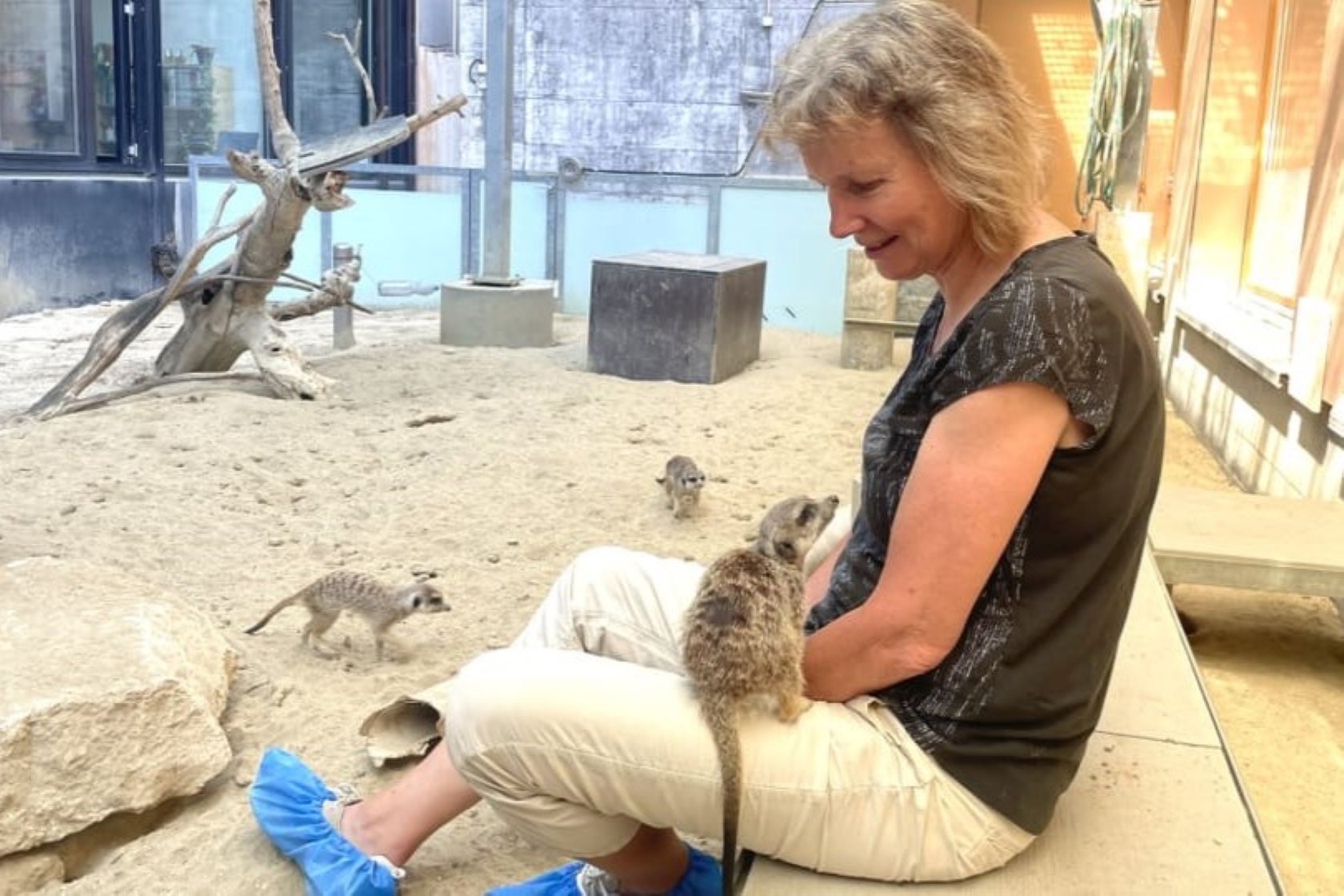
The Meerkat Whisperer
Swiss broadcaster SRF has released audio feature (Swiss-German) on the research of Prof. Marta Manser, offering insights into her work on meerkat communication.